Brain health is not a single destination. It is the result of the small decisions, restorative habits, meaningful connections and moments of curiosity that shape how we think, feel and live every day.
Memory, attention, sleep and emotional balance are interconnected. Understanding these relationships can help us build healthier routines and make more intentional choices about the way we live.
Cognitive recovery generates sustainable executive focus.
Neuroplasticity thrives on novelty and deliberate challenge.
NEURAL ARCHITECTURE & DAILY RHYTHM
A healthy mind is supported by a healthy rhythm.
Sleep gives the brain time to restore.
Movement supports circulation.
Learning creates new pathways.
Connection gives our emotional lives meaning.
Monthly ideas about sleep, focus, memory, movement and everyday cognitive wellness.
Already subscribed?
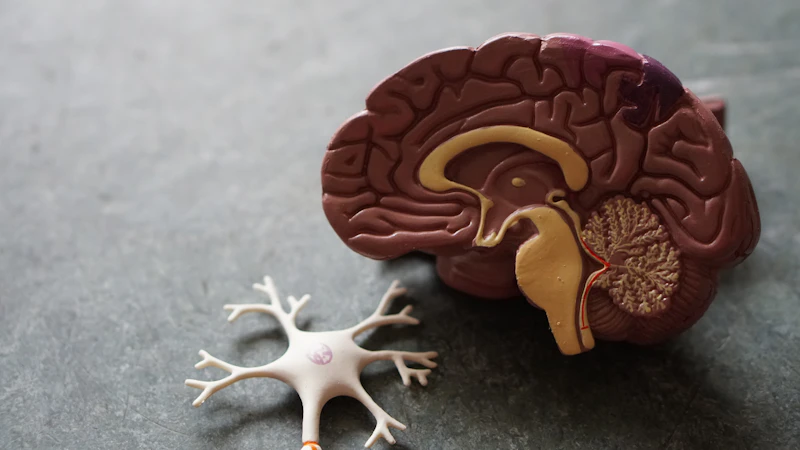
We bridge cutting-edge neuroscience with editorial curation. Our philosophy views the human mind not as a engine to be overclocked, but as an organic ecosystem requiring balance, stimulation, and deliberate rest.
We do not treat symptoms in isolation. We analyze how circadian sleep signals, physical exertion, metabolic fuel, and psychological state interplay to shape daily executive capacity. The brain is not a machine — it is a living, breathing ecosystem that thrives on balance.
Every thought, emotion, and decision emerges from the intricate dance between neurons, neurotransmitters, and the body's broader physiological systems. When one element falls out of harmony, the entire system feels the ripple effect.
Neurons in the human brain
Synaptic connections
Of body's oxygen consumption
Your brain dynamically rewires itself until your last breath. By exposing the brain to structured novelty and intentional rest, we cultivate long-term cognitive longevity. Neuroplasticity is the brain's superpower — the ability to reorganize, adapt, and grow throughout life.
Every new skill you learn, every language you study, every musical instrument you practice — each of these activities physically reshapes your neural pathways. The brain is not fixed; it is fluid, responsive, and always evolving.
We strip away jargon and clinical sterility. We deliver peer-reviewed neurobiology translated into expressive, actionable lifestyle frameworks. Science should empower, not intimidate.
Our editorial approach transforms complex research into practical daily habits — from sleep optimization to stress management, from nutritional neuroscience to cognitive training protocols.
100% evidence-based
Real-world applications
No jargon, just clarity
Everything we do is built on these three essential pillars.
Sleep is the most powerful cognitive enhancer. During deep sleep, the brain clears metabolic waste, consolidates memories, and resets neural pathways for optimal daytime function.
The gut-brain axis is a two-way communication highway. What you eat directly influences your mood, focus, and long-term cognitive health through the microbiome.
Novelty and challenge are the engines of neuroplasticity. Engaging in new learning experiences builds cognitive reserve and protects against age-related decline.
Dementia Cases Could Be Prevented
Hours of Sleep Required for Brain Health
Brain Energy Used for Consciousness
Minutes of Weekly Exercise Recommended
The brain and body are in constant conversation. Understanding this dialogue is key to optimal health.
Physical activity increases blood flow to the brain, stimulates the release of BDNF (brain-derived neurotrophic factor), and enhances cognitive function across all age groups.
During sleep, the brain consolidates memories, processes emotions, and clears amyloid-beta proteins that are linked to Alzheimer's disease.
The gut microbiome produces neurotransmitters like serotonin and dopamine. A healthy diet supports a healthy gut, which supports a healthy mind.
Chronic stress elevates cortisol levels, which can damage the hippocampus and impair memory. Stress management is essential for cognitive longevity.
Small, consistent actions can have a profound impact on your brain health.
Get 15-30 minutes of natural sunlight within the first hour of waking to regulate your circadian rhythm and boost mood.
Stop screen use 60-90 minutes before bed to allow natural melatonin production and improve sleep quality.
Reading strengthens neural connections, improves focus, and builds cognitive reserve. Aim for at least 20 minutes daily.
Even mild dehydration can impair cognitive performance. Aim for 2-3 liters of water daily for optimal brain function.
5-10 minutes of daily mindfulness or meditation reduces stress, improves focus, and enhances emotional regulation.
Meaningful social interactions stimulate the brain, reduce stress, and are associated with longer, healthier lives.
Subscribe to our neuroscience newsletter and get weekly insights delivered to your inbox.
Unconventional advisory and curated blueprints for cognitive optimization, neurological longevity, and deep focus recovery.
Evidence-based protocols designed to optimize your cognitive potential.
Custom environmental and behavioral protocols designed to optimize slow-wave sleep and glymphatic brain clearance. We analyze your sleep patterns and create personalized routines that align with your natural circadian rhythm.
Deconstruct modern distraction patterns and redesign your daily workflow around natural ultradian attention cycles. We identify your peak cognitive windows and structure your day for maximum productivity.
Long-term lifestyle strategies combining nutrition, neuro-aerobics, and stress resilience to fortify against age-related cognitive decline. We build a comprehensive blueprint for lifelong brain health.
Personalized dietary protocols based on the gut-brain axis, incorporating neuroprotective nutrients, omega-3 optimization, and microbiome support for enhanced cognitive function and emotional balance.
Evidence-based stress management protocols incorporating heart rate variability (HRV) training, mindfulness-based cognitive therapy, and autonomic nervous system regulation techniques.
Harness the power of environmental design, sensory stimulation, and creative expression to enhance neuroplasticity, mood regulation, and overall cognitive vitality.
All protocols grounded in peer-reviewed neuroscience research and clinical best practices.
Every service is tailored to your unique neurological profile, lifestyle, and cognitive goals.
We track cognitive performance metrics to demonstrate tangible improvements in focus, clarity, and resilience.
"The sleep architecture protocol transformed my life. I'm sleeping deeper and waking up with unprecedented mental clarity."
— Sarah K., Executive Director
"The executive focus audit helped me reclaim my attention and double my productivity. I finally understand how my brain works best."
— James R., Tech Entrepreneur
"The cognitive mapping protocol gave me a clear blueprint for long-term brain health. I feel more resilient and focused than ever."
— Dr. Emily Chen, Neurologist
Book a consultation and discover which service is right for your cognitive journey.
Field notes, essays, and core principles across the seven pillars of modern cognitive wellness.
How the hippocampus transfers daily learning into long-term storage during REM sleep cycles, and how to optimize for retention.
Managing synaptic fatigue and dopamine regulation in hyper-stimulated digital work environments.
Understanding the cellular waste-clearing mechanism of the sleeping brain and its vital role in preventing neurodegeneration.
How chronic cortisol alters prefrontal cortex architecture and practical vagal tone interventions to regulate state.
The immediate relationship between aerobic exercise, BDNF release, and the birth of new dentate gyrus neurons.
Building cognitive reserve through complex novel motor skill learning, language acquisition, and social connection.
Inquiries, editorial submissions, or collaborative partnerships. Start a dialogue with our team.
How we handle data at BrainHealthCure. Transparent, minimal, and respectful.
Effective Date: January 1, 2026
We respect editorial privacy. We only collect personal information that you intentionally provide directly to us through our direct newsletter subscription forms or contact interface—specifically your name and email address.
Your information is used strictly to deliver The Brain Health Letter and reply to direct operational inquiries. We do not aggregate, sell, or rent your personal contact information to third-party ad networks or data brokers.
We run a minimal, aesthetic publication site. We use essential functional web technologies only to remember user navigation preferences and manage interactive state animations without intrusive tracking cookies.
You retain absolute control over your inbox. You may opt-out of our communication at any given moment using the inline Unsubscribe terminal on our home page or via the link embedded in any email dispatch.
Guidelines and terms governing the use of BrainHealthCure content.
Effective Date: January 1, 2026
BrainHealthCure is an experimental modern health publication and journal of cognitive wellness. The material contained herein is provided strictly for educational, conceptual, and informational purposes. It does not constitute formal medical advice, clinical diagnosis, or medical treatment plans.
All typography treatments, dynamic interactive design layouts, digital graphics, and original editorial essays published on this site are protected by copyright laws under BrainHealthCure. Unintentional redistribution without written consent is strictly prohibited.
Users agree to interact with our contact systems and subscription modules lawfully without attempting to inject malicious code, exploit vulnerabilities, or disrupt normal site operations.